.jpg)

The Federal Neuropsychiatric Hospital (FNPH), Calabar, established in 1903 as the Calabar Lunatic Asylum, is
distinguished as Nigeria's oldest Mental Health Institution. It has been providing mental health care services
for over a century.
FNPH Calabar has traversed a remarkable journey from its inception to its current status as a Tertiary Institution.
It transitioned from a Lunatic Asylum to the Calabar Mental Hospital in 1952 before assuming its present designation in 1995.
Despite facing challenges such as closure attempts and devastation during the Nigerian civil war, the hospital has steadfastly
persevered, emerging stronger and more resilient.
FNPH Calabar serves as Cross River State's primary in-patient mental health service provider, catering to approximately
4 million people. However, its reach extends beyond state borders, encompassing Nigeria's South-South and South-East
geo-political zones. The hospital also receives patients from neighbouring states such as Akwa Ibom, Ebonyi, Abia, Imo,
Rivers, Bayelsa, and even the neighbouring Cameroon Republic. This extensive catchment area encompasses over 25 million people,
highlighting the hospital's pivotal role in addressing mental health needs in the region.
FNPH Calabar consistently operates at near-full capacity in terms of bed occupancy, underscoring the substantial demand
for its services. The hospital's reputation for trust-building, fostering positive behavioural change among patients,
advocacy, and high-quality research has contributed to its status as a preferred destination for mental health care.
FNPH Calabar has diversified its service offerings in response to evolving healthcare needs. Beyond its core speciality
in psychiatry, the hospital now provides additional medical services such as a surgical theatre, an ICU, and infection
isolation rooms. Furthermore, FNPH Calabar has established a community hospital at its permanent site and a mother and
child hospital at Okurikang, broadening its scope of care to encompass diverse patient demographics.
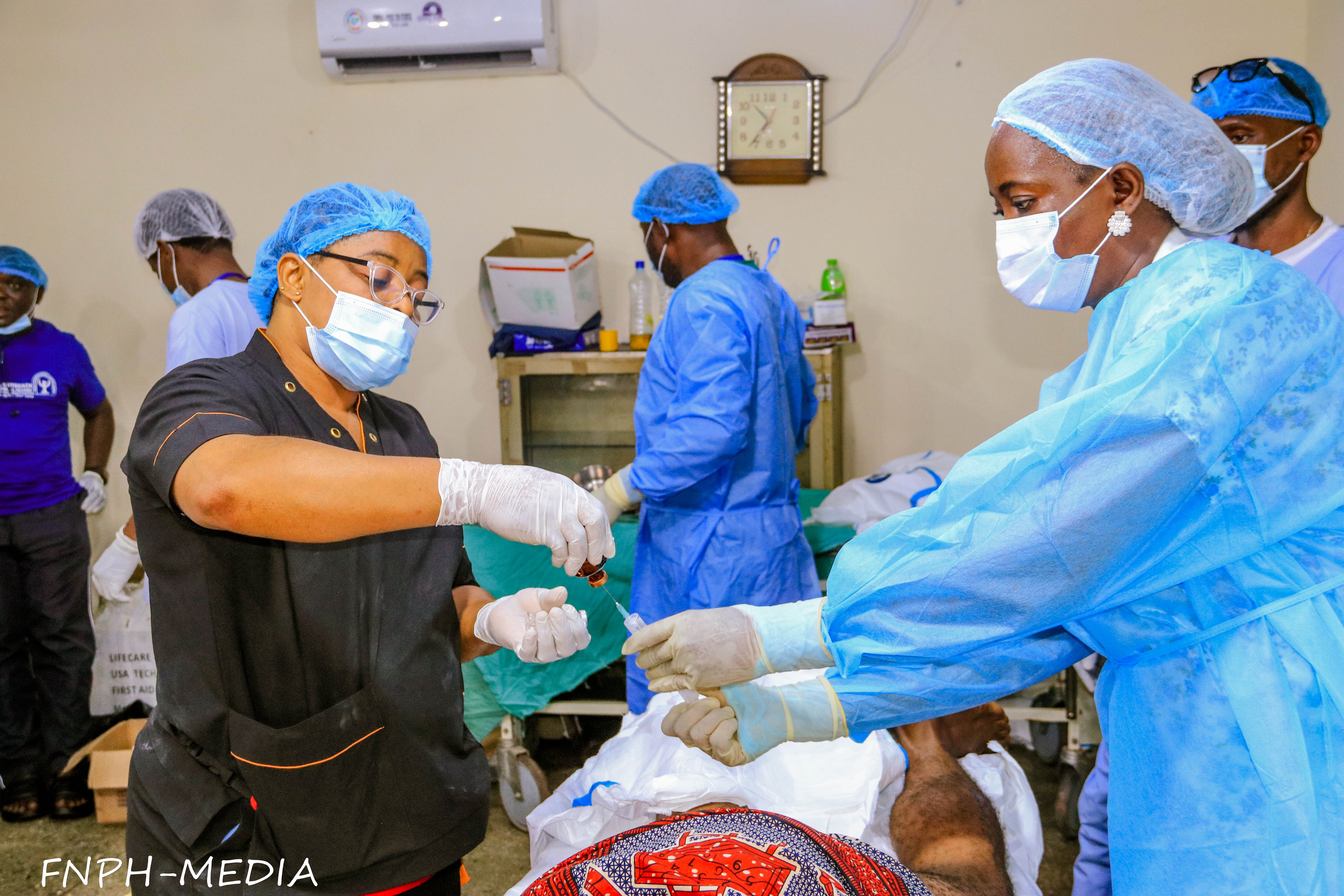
Offers intensive care for critically ill psychiatric patients, combining advanced medical monitoring
and psychiatric interventions to stabilize physical and mental health conditions..

Conducts diagnostic tests, including bloodwork and toxicology screens, to support accurate
psychiatric diagnoses and monitor the effects of psychiatric medications or other health conditions.
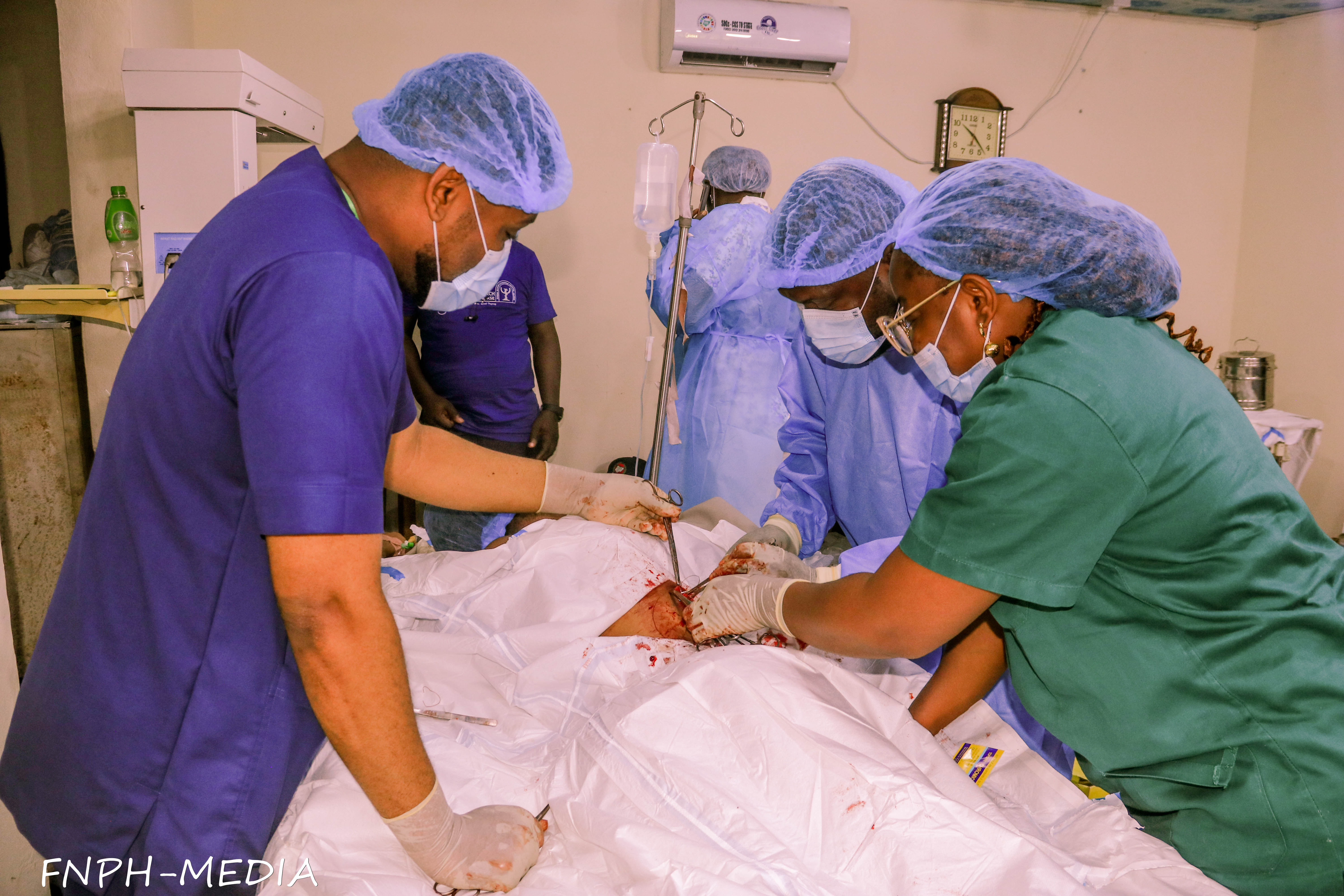
Extends mental health services to remote or underserved areas, offering consultations, follow-ups,
and basic interventions to promote community mental health access.
.jpg)
Provides structured therapy to enhance patients’ daily functioning, improve coping skills,
and rebuild independence through practical activities and vocational rehabilitation tailored to individual needs.
